Presence of the Past Survey

When I began interviewing my roommates about their interactions with the past, it became immediately apparent that there was confusion over the wording of certain questions in the survey. Neither one of them have much experience with history aside from some entry-level college classes taken years ago, and so when asking things like “how connected to the past do you feel on certain holidays,” they were unsure whether to answer related to the historical past or their personal history. While this might have been the point of the exercise, it led to confusion throughout the questionnaire.

The questions could use updating and proofreading, but overall, it succeeded in assessing how much non-historians interact with the past. Adding inquiries related to social media and the internet would provide an even more accurate understanding of how often those who do not study history conceive the past. We live in an increasingly technological world, and while television, movies, and books are still prominent forms of media, most interactions within society revolve around the internet. The wording of the questions could also be tweaked a little in order to make them easily understood by the audience, whether that be through specificity or rewording. Some words were also misspelled throughout the survey, which is a minor thing but one that I noticed nevertheless and wanted to mention. Despite these few flaws, the survey works well to discover what most of the public understands to be “the past,” and I think it functioned as a worthwhile exercise for our class.
History, According To My Brother

I think the Presence of the Past survey from the University of Indiana does a good job of revealing the subject’s general view of history and their frequency of interactions with it. To my brother, history was very personal with “someone who was there” receiving the highest marks for trustworthiness at a nine. Whereas to him history teachers were considered the least reliable, along with TV shows, at a 5. To him history is also material, with his most extensive contact with history being collecting “knives, guns, coin, and records” because they are to him fun and “preserve a piece of the past.” This is probably representative of many young professionals like him who in our materialistic society see ownership and consumption as the best means to interact with history. Additionally, the prizing of eye witness testimony illustrates the general ignorance of the public’s ability effectively evaluate bias in historical sources. His interview further shows the continuation of Americans wanting a history where they can take the lessons “America can do anything it puts it mind to” while critiquing museums for having a “tilt.” Not much has changed since the Enola Gay exhibit in 1995.

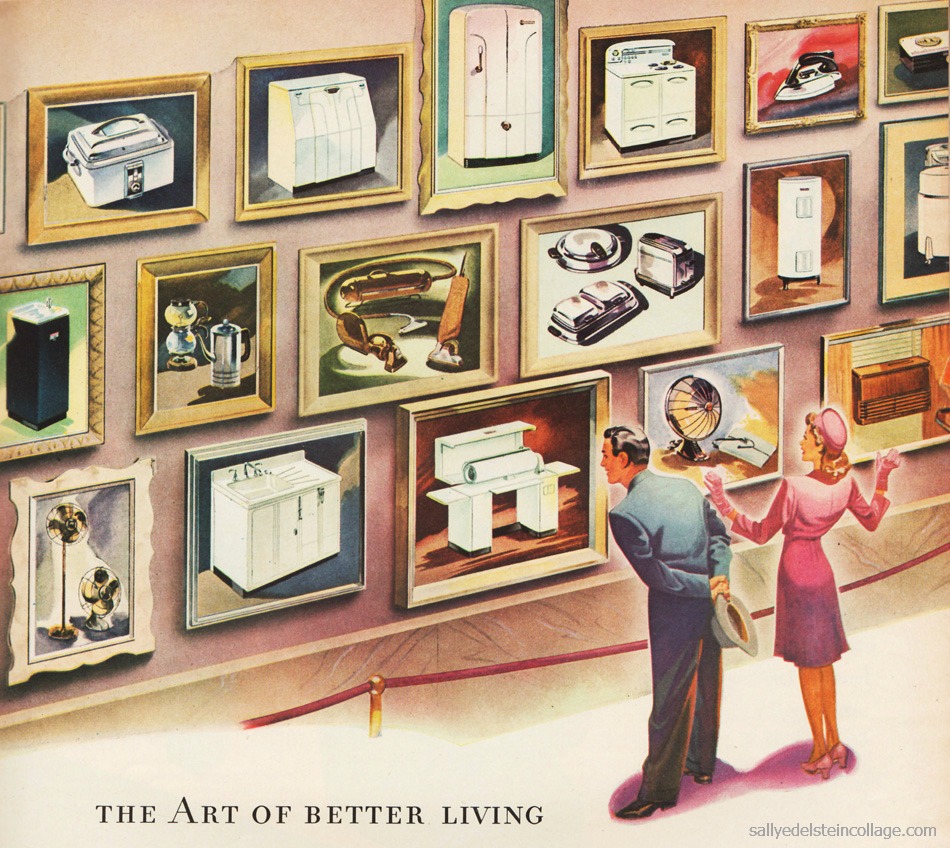
Informative Article: The Rise of American Consumerism – heiditerra

Overall, I think this is a good survey, but suffers from being almost thirty years old. There are no questions about the internet, the greatest opportunity and challenge to public history in our current age. Today most individuals would have more interactions with historical content online than many of the sources listed in the survey. Historians are now vying for space in an age of increasing information overload with the public looking to history as a source of fun, individualistic consumerism, when they consider history at all.

Presence of the Past Survey

During my interview, I noticed a few sections of the survey that may have been a bit outdated. I think the best way to address these issues would to be re-frame the questions to be more applicable to the modern world. What I mean by this is that we should include social media and more electronic medias, especially history based video games. Personally, I play a lot historical games that, while not always particularly accurate, they do, in my opinion, a good job of connecting people with the past.

Furthermore, during the interview, I did notice there were parts that were particularly effective at getting the interviewee to engage with her own experiences with, not only her own personal past, but the collective past. I think if we could expand on the idea of asking about physical interaction with the past we could get a more in-depth look at how people engage with and understand the past. Lastly, I think the demographics section could be more in-depth so that we can better understand how different socio-economic groups engage with the past.

A Ship In The Bay – A First Memory

I would say that both my first and most memorable experience with public history is touring the Alabama in Mobile Bay when I was six or seven. Battleships are genuinely ludicrous objects. They’re enormous, especially to a kid, and look like nothing else; an amazing artifact of both a very specific time and a weird kind of personification of the American spirit. There’s a sort of religious reverence to the whole deal.

Best historical memories

My exposure to history stretches as far back as I can remember. From my elementary school days in history class writing papers and giving presentations, I felt myself engaged with what came before and always tried to interact with it. One of the most fundamental experiences was during my trip to Houston for Junior Olympics when I forcibly drug my parents to Space Center Houston. It was one of the first times I really interacted first hand with the History of Science.

My first experience was when I was in first grade, we went on a field trip to the Rice museum in my hometown in Georgetown, South Carolina. There I learned about the major role Georgetown played exporting goods during the 18th and 19th century.

Cathedral Caverns: My First Historic Experience

Cathedral Caverns State Park in North Alabama has the largest cave mouth in the world, its also about a 15 minute drive from my childhood home. We went all the time when I was a child and I remember going there and hearing the tales of native people, pioneers, and outlaws who all were parts of the caves history. At least according to the tour guide. I remember this opened up a lot of questions about history to me and I can remember asking my father about all sorts of other historical topics when we would go to the cave. To this day, these are fond memories of my historical understanding.

My Experience with Public History

One of the best teachers I had in elementary school was my fifth grade teacher, Mr. Schmitt. His primary area of expertise was history, and the one thing that he emphasized throughout the year was our understanding of the Holocaust during World War II. He was from Germany and felt particularly strongly that we understood the things that happened by creating activities that pitted us as certain victims of the Holocaust and teaching from the Diary of Anne Frank. At the end of the year, he invited Ruth Greuner, a Holocaust survivor who’s autobiography we read, to speak and have dinner with all of us, which was an amazing experience that every one of us, even as eleven and twelve year olds, understood the depth of.