The Archive. Is it public or not?

Is the archive public? if it is how much of it should be public and how much of it shouldn’t be? Why should the archive be public or not?

All good questions to which of course there are varying answers to depending on the archive in question and the situation, which of course isn’t the most firm or hard line answer but when is any thing in terms of public history and its ethics really hard line? well okay some things can be hard line but most things really aren’t and all depend on the situation at the time. Personally I think most archives should be open to the public at least some degree, that doesn’t mean that the public can come in and check out the objects and books with out supervision of any sort of oversight at all but they should at least be able to view the objects if they ask and have a member of staff present to ensure the safety of the object in question. I believe the public has a right to at least some level of access to archives be they governmental, university, civil, or other wise because but that access comes at the price of having to be under supervision while in said archives.

Lets look at the Auburn Special Collections and Archive as an example. The Auburn Archive has some public aspects but it’s not fully open to the public. The public can’t just waltz in willy nilly and ask to be taken back in to the stacks or view certain collections and the public can’t take portions of the archive with out asking but there is still an open to the public face and the public is allowed in to view the archive and some of its material that is out in the open and they are allowed to request and view some of the objects so long as they are being supervised with the objects themselves. The biggest problem over all with the auburn archives is the lack of publicity in it’s existence. It’s in the basement of the library and there’s really not much directing traffic to it. I think a change that could help make that archive more public is just a little more publicity regarding its existence, how can the public make use of an archive if they don’t know it exists after all? the only other change I could suggest to the Auburn archives is perhaps a bit of modernization in the department itself, it is in the basement and it has that sort of basement feel to it, giving it that sort of stereotypical basement dwelling archival feel to it, thats probably not necessarily their fault given they need a good area with climate control and space is limited for both the university and the library but if they could manage a better location that would aid in making it more public

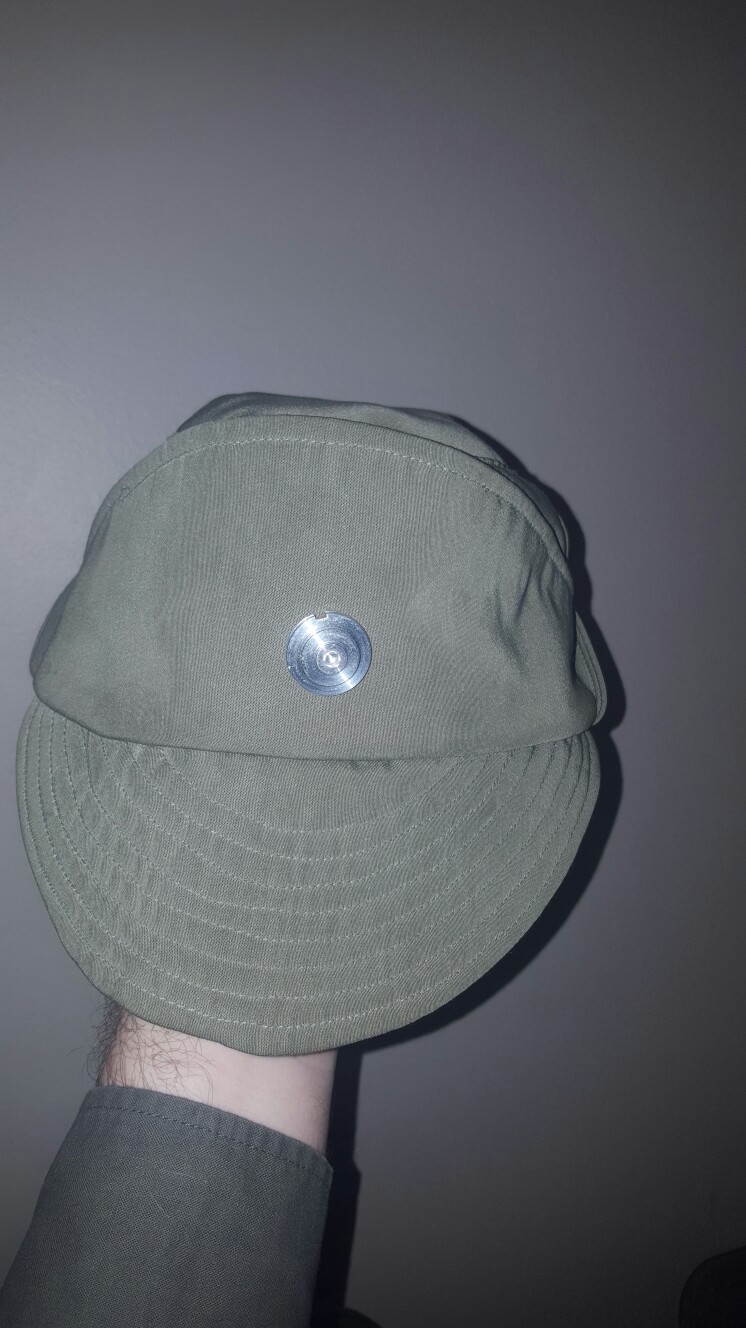
Objectifying history: or an object biography blog post, take your pick


The object is a mid sized military style hat with a metal pin in the middle of the front flap. It is made of a medium weight suiting material in an olive drab color. It appears well taken care of with no visible signs of distress or mistreatment. While it is a costume piece the hat itself is nondescript enough and well constructed enough that it can be worn at any time of the year. The object appears to have been either hand stitched or stitched with a sewing machine rather than mass produced. Beyond the basics the hat itself is a costuming piece and reproduction of a hat found in the Star Wars series of films on the officers of the villainous empire which implies a level of cultural significance behind the hat itself.

The hat is a significant indicator of cultural history being a representation of how people interact with a culturally significant piece of mass media entertainment and how people remember said media in their day. An often overlooked aspect of history particularly history regarding objects is how mass media and how society interacts and remembers that media influences their cultural memory and with a great number of fans creating and memorializing their favorite films through costuming and other forms of object history.

What do we do with the confederate monuments (early in the mornin’)

First and foremost, the monuments shouldn’t be removed, they are still a part of history and  to destroy or remove them is to remove that history even if we don’t like that particular aspect of our past. That said, if we do remove them I don’t think they should be destroyed but rather moved into a museum or a park and placed beside monuments built to demonstrate the other side to the war, monuments dedicated to the union and abolitionists so as to create the full story of the civil war rather than letting these particular monuments stand on their own. Own their own they have a complicated and sometimes negative connotation in the public memory, if they where moved to be with other monuments or placed with in a location that could at least provide connotation to their collective memory.

The Role of the Public Historian

The fact that the term ‘public history’ has yet to be defined by those working in the field should be taken as a sign of its multipurpose function in the role in sharing with the general public the role that the past has shaped the present day.

Honesty about the past is crucial. Whether it be at a battlefield, museum, or other historic sites, public historians have the responsibility to open up about both the history of the site and the institution. Shared authority is another important aspect of the public historian’s role. We must acknowledge the fact that many interpretations and memories can be associated with one single event. Although public historians most often times see themselves as historians first, recognizing that the general public and the non-academic historians have a legitimate role in shaping our understanding of the past is necessary to keep dialogue open between the two groups.

Public historians provide context when, perhaps, the traditional way of doing so is not available. For example, Rebecca Amato and Jeffrey T. Manuel both provide history tours that go beyond architecture to frame discussion about the local history. Instead they look to the law and its application as a theme to interpret the way various laws are used to justify both the good and bad of urban development in their respective cities.

Prior to this class I thought public history meant reaching out and informing the general public about historical truth. It was a means to let the public know what the academic historians were writing about and that our understanding of the past came from the work they have done. Over the course of this semester I have broadened my understanding of public history as not only informing visitors of the work being done those historians, but also to interpret to the visitors the role historical memory has played in remembering. The way in which we arrive at our beliefs has been an interesting topic to me throughout this semester as well.

A recurrent theme over the course of the semester has been not having a definite answer to most questions. I think this is due to the fact that as public historians we have to be flexible and adapt to the many different types of visitors we encounter. In other words, instead of looking at the facts and coming up with a single interpretation, we should look at those facts and understand that others may not draw the same conclusions. We have to be open-minded and have a sense of willingness to at least except that others may not feel the same way.

Responsibilities of a Public Historian?

What are the responsibilities of a public historian in these turbulent days of “fake news” and disturbing games of “Choose Your Own Facts”?

I think historians in general have a duty to the public and their fellow man to speak up about the past on how it compares to the future. Everyone knows the old adage of “Those who don’t study history are doomed to repeat it” and in this case it can work to our advantage. If the new tax bill is eerily similar to the 1928 tax bill right before the great depression, then a depression or economic historian has a right or a duty to speak up. The limiting factor of this is “staying in your lane” so to speak. Historians must stick to what they know best before when they’re making these politicized and activist statements. Another factor is seniority. I think it should be a top down approach where the well-respected historians begin the more public form of activism. How can these ideas be applied to public history? Going with the approach of duty, I think that a more distinct definition of “museum” needs to be enforced that removes some of the outliers that should not be labeled as museums.

Everyday feels like we’re edging more and more to a post-factual society where people can enjoy the historical narratives that fit their definition of truth regardless of fact. With this being the case, I think historians, public historians in particular, need to redefine what can be called a museum. For instance, does the Creation Museum in Kentucky that depicts Jesus riding a dinosaur, Noah’s arc, and features a petting zoo and a zip-line count as a museum? I don’t think so and I doubt many, if any, pubic historians would think it’s a museum either. It becomes harder to define when one introduces things like Colonial Williamsburg. The really hard part becomes, how do these “museums” get differentiated from things like the Smithsonian? A re-labeling of these “museums” would suffice but what would you call these ex- “museums”? Could the Creation Museum be re-labeled as a theme park or a religious business? That becomes harder to mandate because the government would need to be involved to enforce this differentiation and I personally don’t think it would go well with the current administration, or really most politicians in general. My solution is that it could work in a similar way to the Michelin Star system for restaurants. If they approved of a museum, they could rate it highly, but if they disproved of a museum, they could refuse to recognize it as a museum by giving it no rating at all. I would personally stay away from public condemnation of “museums” like the Creation Museum simply because that may feed their reputation. How would this review process work? Respected public and academic historians, constituting a review board, could get a tour through the museum while receiving advanced explanation from curatorial staff about the interpretation and facts that is being presented and used. The board could introduce a suggestion box in/around the museum to get appeals from the public as well. An important distinction is that the board is not there to agree or disagree with the interpretation, but simply discern if it’s based on evidence that is sound reasoning and accurate information. Another parameter for reviewing museums is size. One group cannot review every museum in the United States, so an admissions quota would be created to go after museums that have actual impact on a greater number of people rather than wasting time on a random house museum in Connecticut.

While not without it’s flaws, this idea would provide a system that could effectively weed out some of these “museums” that seek to promote a specific ideology over adherence to fact. In this modern age of propaganda, the truth becomes whatever people say it is, so I believe there should be an internal governing body of museums. This could work on a peer-reviewed system that allows respected curators and public historians to set parameters around what is a museum.

The Landscape of a Forgotten Bridge

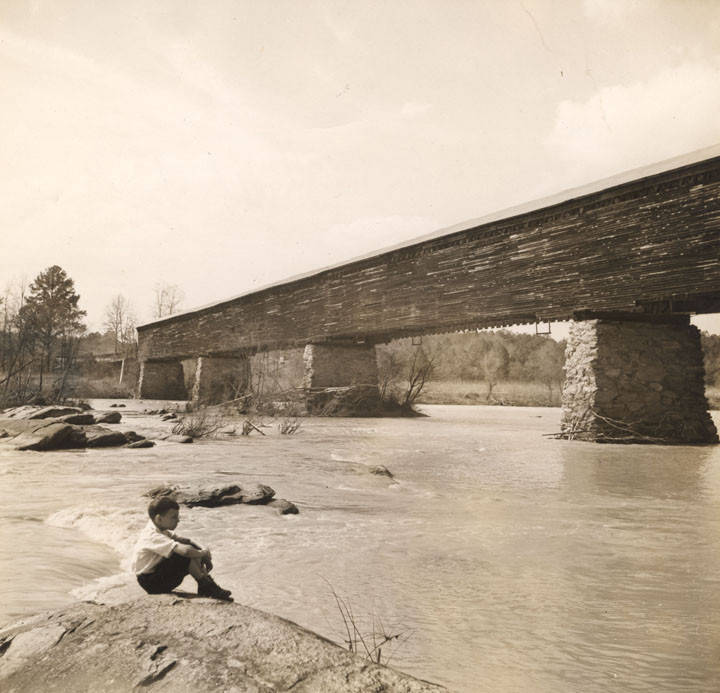
In 1908 a wooden covered bridge was built over the Tallapoosa River in Daviston, Alabama. The bridge replaced a ferry that had been used by the local community to cross the river in the area. W.H. Wynn and his son built the bridge that stretched just over 850 feet from the south to the north bank. Five pilings were created with rock from the north riverbank and concrete to support the bridge. These pilings are all that remain of the Miller Bridge today.

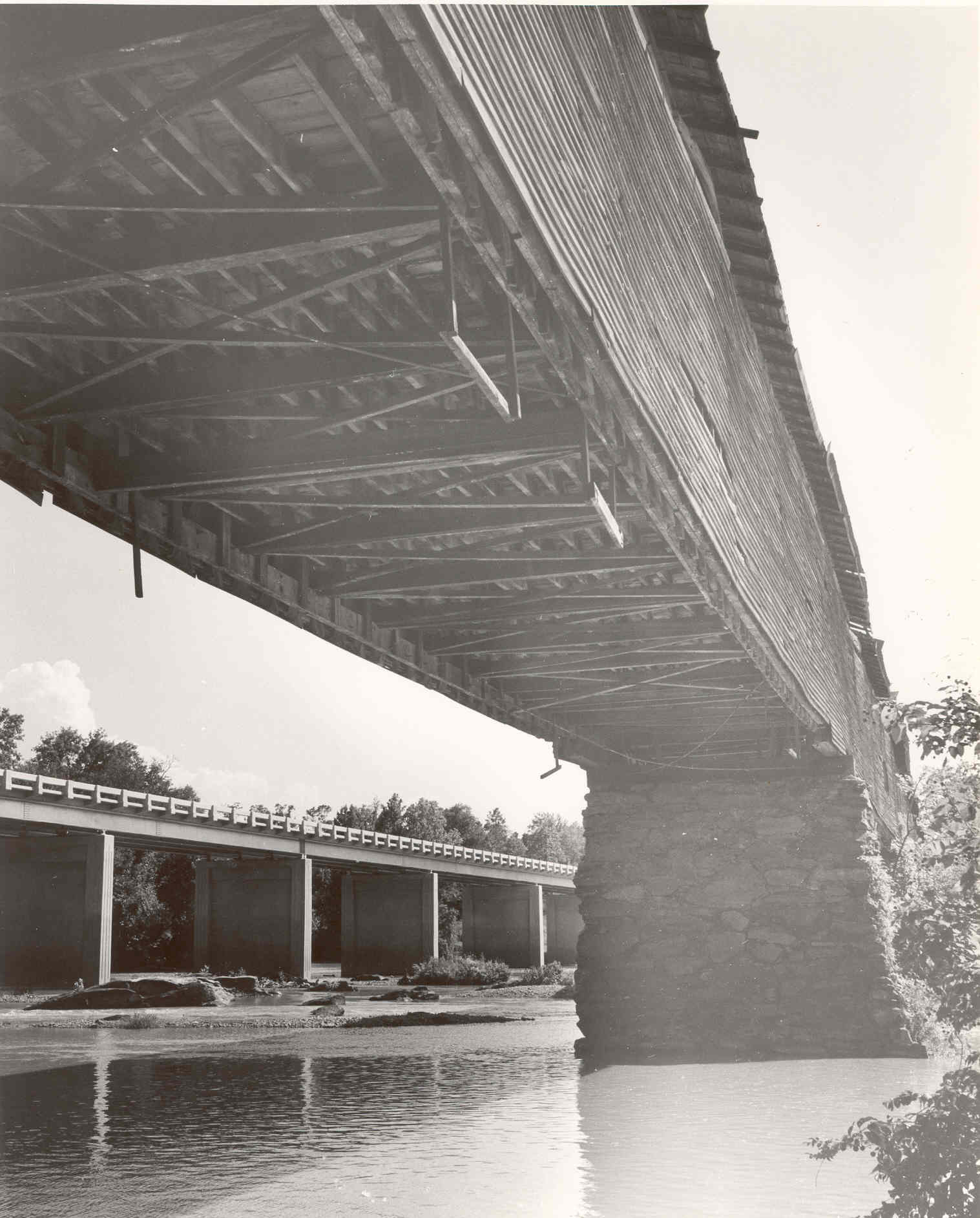
Images of the bridge when it was at the height of its use tells a much different story than what can be seen from the same location today. One image in particular taken from the south bank of the river with a perspective of a lower elevation looking up at the bridge. This angle and perspective give a sense of how incredibly long the completely wooden covered bridge was. In the photo waves in the wood are visible where the bridge had changed shape over time and the weight of the bridge and its travelers had caused the bridge to sink just a few inches in certain spots.

The town of New Site, several miles from the north side of the Tallapoosa River, received a significant boost as it became better connected to the larger city of Dadeville on the south side of the river. The Miller Bridge offered a more reliable and quicker way to cross than the ferries that had been used to cross the river.

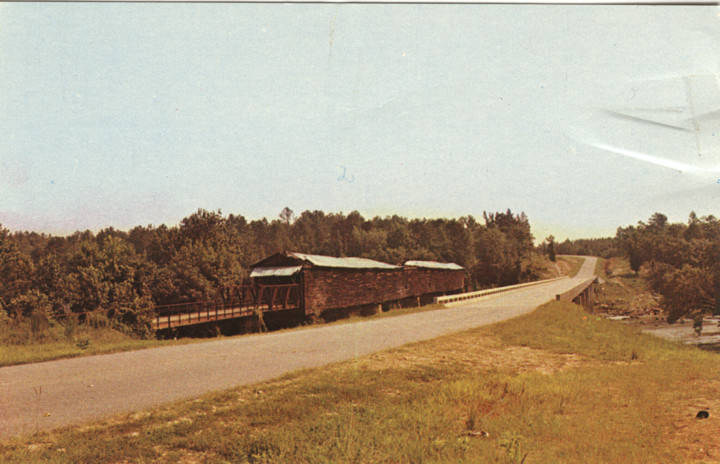
Just as an increase of travelers and the size of their transportation increased the Miller Bridge was replaced by a modern bridge of concrete and steel in 1955. When looking at the modern bridge today, it does not have the same dips and waves that developed in the Miller Bridge over time. It is has taken the sixty-two years of use with much less damage than the covered bridge did during its time. The road that had connected to both sides of the Miller Bridge has been reclaimed by the trees and natural growth. This gives the impression that the road was almost certainly a dirt road that could readily disappear with little trace. The two-lane highway forty-nine that is now connected to the modern bridge would take many years to erode without human intervention before it was unable to be seen. Looking at the place of where the Miller Bridge once stood, and the modern bridge is still in use illustrates a change in the area. The jarring noise of cars passing over the bridge as you stand where the Miller Bridge stood to serve as a reminder of the change in the type of vehicles that used these roads. It illustrates the changes in the number of people that used this road. With the creation of Horseshoe Bend National Military Park, it would have been impossible for the heavy machinery required to construct the park to cross the covered bridge.

While they could have traveled a different way, and come into the park from the north, the number of visitors would surely have, but too much stress on the already aging Miller Bridge. Today it is nearly impossible to visit the bridge and not be interrupted by the noise of logging trucks cross the Tallapoosa River. These increase in industry and tourist traffic of the national park leave visitors with a feeling of a much more modern urban area than the rural landscape that Miller Bridge impresses through photos.

Public Archives on Public Lands: The Responsibility of Access

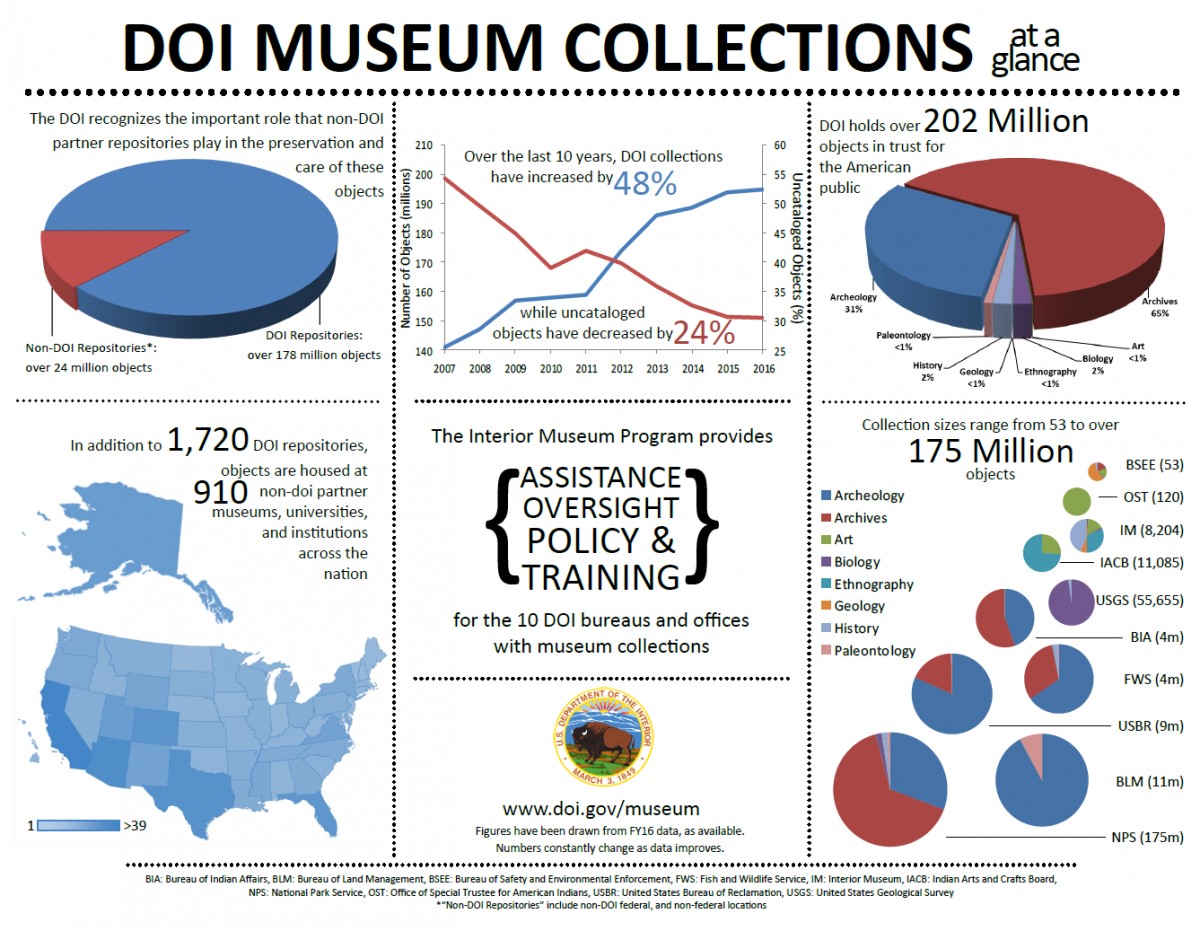
The infographic above is from the Department of Interior and details the incredible number of items that the department currently has in its various collections. While the Department oversees multiple federal agencies, the largest collection of items by a single agency is by far the National Park Service. On the front page of the National Park Service’s Museum Management Program, they boast, “The National Park Service is one of the world’s largest museum systems. There are 380 parks with collections that include over 45 million natural, historic, and prehistoric objects and 75,000 linear feet of archives. These collections tell powerful stories of the nation, its diverse cultures, flora and fauna, and significant events and innovative ideas that continue to inspire the world.”[1]

The archival work that both the National Park Service and the Department of the Interior are able to achieve is astounding and significant in the preservation of artifacts from all over of the United States. Yet when it comes to access, not all archives are created equal. While the National Park Service has utilized digital resources to offer online exhibits, digital catalogs, and educational resources for a select number of sites and artifacts, there is a larger number of archives that do not offer these digital means of access. This is where individual parks are challenged with the task of enhancing the means of access to their archives. The NPS Museum Handbook addresses the question of the “museum management responsibilities of the park” and includes “Promote access to cataloged collections for research and interpretive purposes through a variety of means, such as exhibits, interpretive programs, loans, publications, Web exhibits, and the Web Catalog.”

One park archive to consider how they may meet the responsibility of promoting access to the public is the archives at Horseshoe Bend National Military Park. One of the most basic ways to promote access of an archive is through addressing the public’s awareness, knowledge, and interest of simply what the archives are. While the National Park Service as a whole had the means to create a dynamic website that was aimed at highlighting promote specific artifacts, individual parks are often constricted to a smaller budget, staff, and resources. Individual parks still have access to social media. Rangers at Horseshoe Bend NMP could create social media post focused on the tasks that rangers do when they are in the role of curators and archivist. Similar to post focused on rangers work in the field, these post would help to promote public interest in the archives and even to educate some that may not know of what an archive is or that the park even maintains a collection of artifacts beyond the museum.  Social media post could also focus on highlighting an artifact of the month in a reoccurring post that offers some images of an artifact, summary of the history of the artifacts, and what it takes to preserve that specific artifact.

Beyond utilizing social media to promote the education and awareness of the park’s archives, the park could also plan an on-site public program. A public program could mean offering a talk by the NPS Southeastern Regional archivist, or a park ranger in charge of the curatorial. Offering some insight into how the NPS approaches archives, how they preserve artifacts, catalog, accept donations, and how the park uses these artifacts. Not only would this allow for additional access to the archives, but it would offer education of what the archives are to the general public. Programs could also be less formal with ranger’s giving guided tours of the museum and providing visitors with insights into specific artifacts, similar artifacts in curation, how artifacts are selected for exhibits, and what it takes for the parks to preserve these artifacts.

[1] https://www.nps.gov/orgs/1454/index.htm

Fitbit Charge 2

No matter the weather or occasion, my Fitbit Charge 2 wristwatch is always on my right hand. It’s slender and inconspicuous design match my simple taste. The watch face’s OLED display is touch screen and features a single button on the left-hand side. The factory rubber wristband is indicative of its purpose as a fitness watch, yet interchangeable to fit a leather band for other occasions. The buckle and tracker are steel with a glass interface. Underneath the interface is a sensor that measure heart rate, step count, etc.

Day’s resulting in emails and research do not equate to a high step count.

Wrist watches have been mainstay of material culture since the early twentieth century. Prior to being completely visible, personal watches were oftentimes hidden and glanced at only when one needed to know the time. Over time, however, watches have transformed from simply telling time to a multi-functional tool that stores and manages data. In other words, digital is the new analog.

The Fitbit has the ability to create a new way of life. Personally, I purchased the Fitbit as a present to myself for quitting smoking. I saw it as a way to start a healthier lifestyle. By simply tapping the screen, I can inform the Fitbit that I am working out, and in turn, it will track cardio, fat burn percentage, and other cardiovascular-related measurements. The watch also features breathing exercises to help relax and to slow down the heart rate. It also fulfilled my need for visual reminders. Other than having to keep it charged, I have no complaints.

The sensor detects heart rate and various other uses.

The watch itself is just the tool used to compile the large amount of data. To access the numbers/percentages and to see the visual charts, I can use either the computer or the mobile app. I am able to compete with friends in steps-per-day and other games as well as set goals and unlock new achievements. The user has access to many challenges, both solo and against friends and family. In other words, technology has allowed competition to spread to other avenues of our daily lives.

Screenshot from the Fitbit app. Within in seconds, I am able to link the data from my Fitbit to my account.
The Fitbit is an example of the way digital technology has become an ever-present feature in our daily lives. Down the road, historians can view this is as one of the many ways in which technology has become intermingled into everyday life. The Fitbit allows the user to input a host of information including, water intake, calories consumed, and various other numbers that allow for detailed tracking. This new performance-tracking brings about questions concerning technology’s relationship to health and fitness. Another question to be considered in the future is how well we do with the mass amount of data that is available to us instantly. Does the data help to achieve our goals or are we simply overwhelmed?

Unpaid internships and professional ethics

Given our topic for today’s class, I thought that this blog post from the NCPH History At Work blog was particularly relevant:  “On unpaid internships, professional ethical standards, and the NCPH jobs page.” We can talk in class about the way in which this represents an evolving code of ethics within the field, both in terms of our relationship to our many publics/communities and within our own professional ranks.

Visiting the Tallapoosee Historical Museum

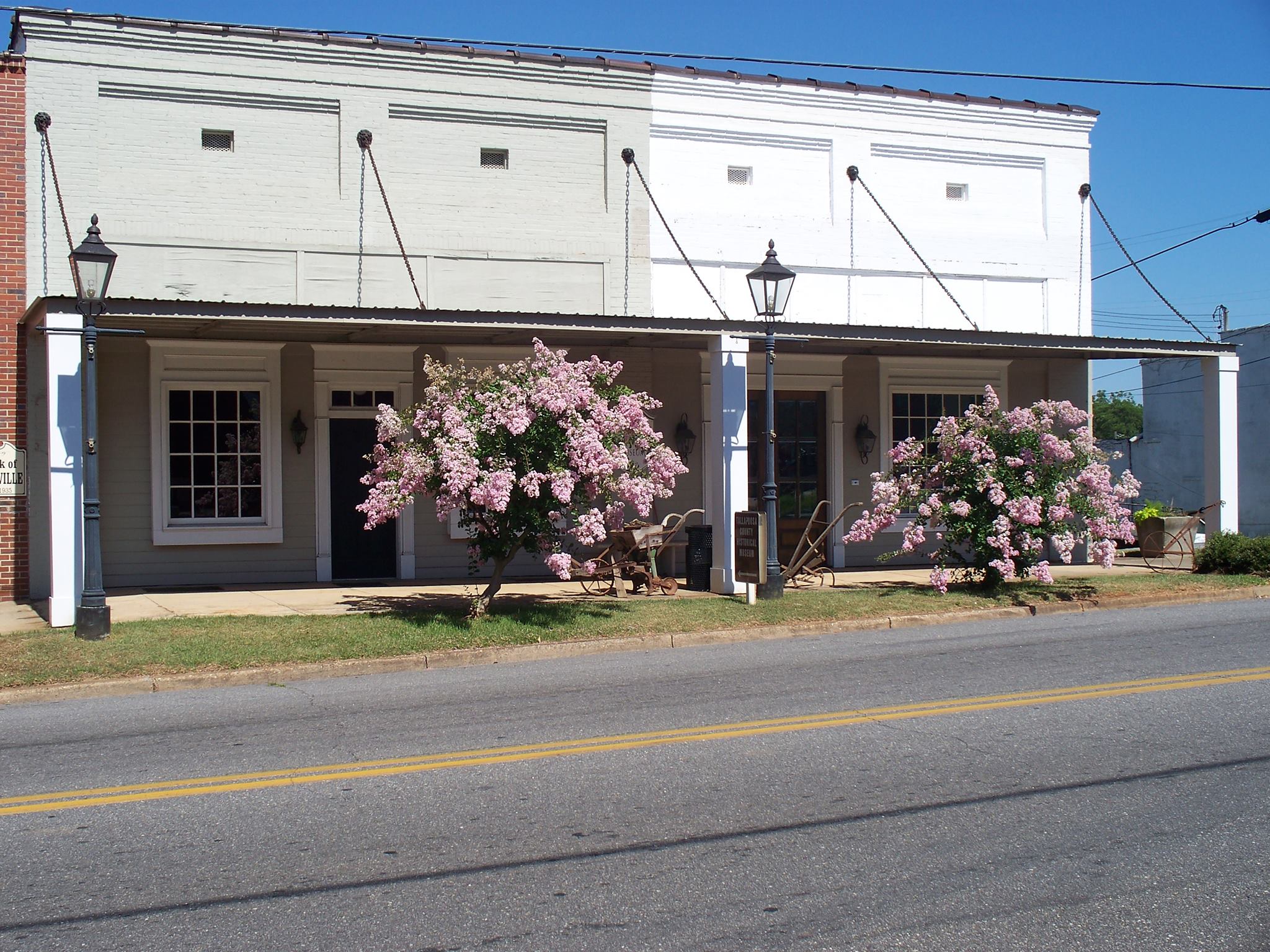
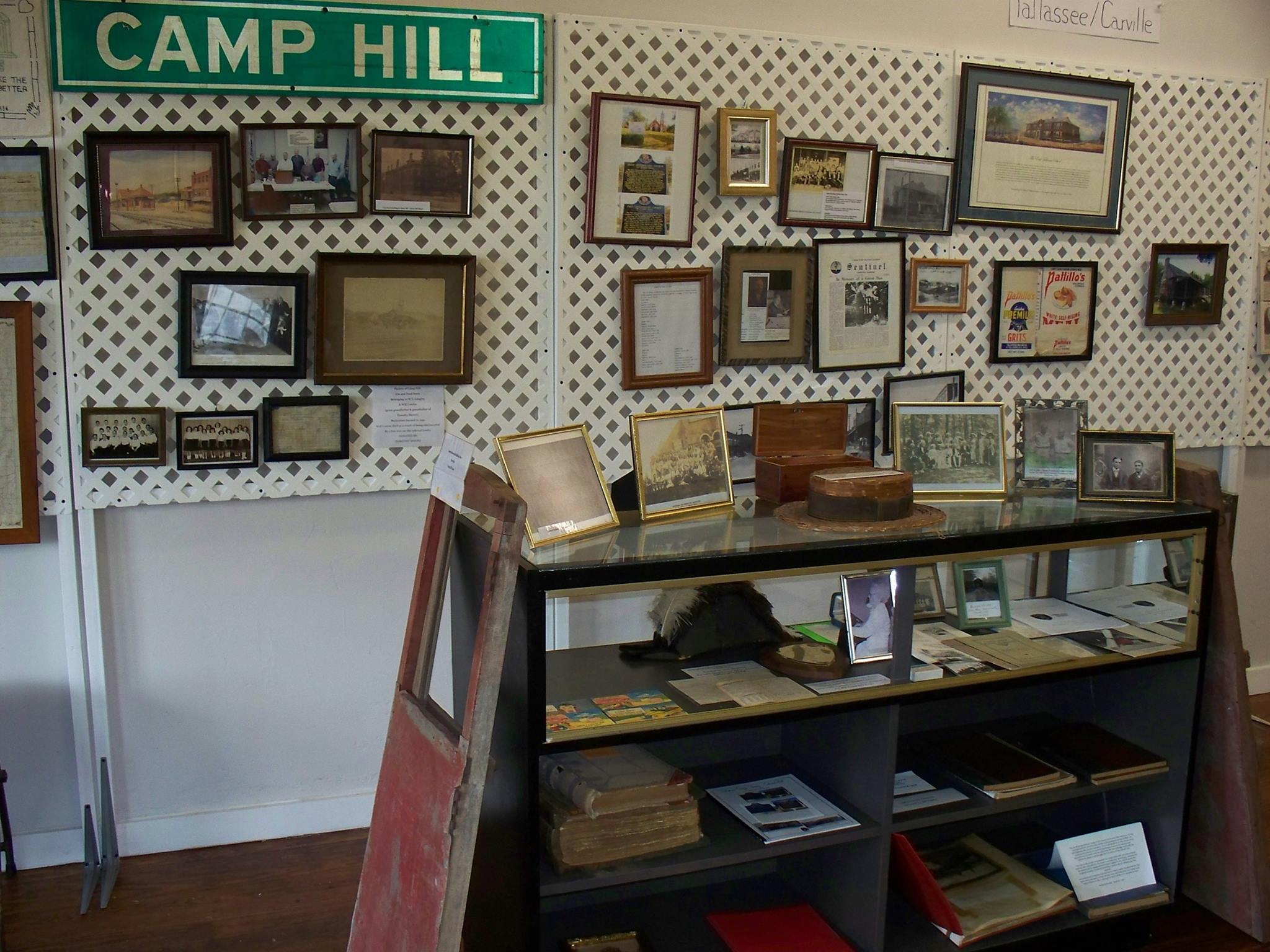
The Tallapoosee History Museum located in downtown Dadeville, Alabama. It is staffed and managed by volunteers from the Tallapoosee Historical Society of Tallapoosa County. Walking into the museum on a Wednesday or Saturday, the only days they are open, you are not instantly greeted by a staff member at the front desk as is common in most traditional museums. The layout of the museum does not include a front desk at all. The museum consists of the two large open rooms, the Bank of Dadeville donated the main room. In the back of the room, there is an opening that flows into a second large spacious room that the museum purchased and installed additional exhibits. Both rooms are filled with items of all sizes, age, and historical meaning. The museum features items such as an old wooden and castiron school desk, an iron wood-burning cook stove, a chair from a local barbershop, uniforms from the Civil War through the Vietnam War, and a large wooden delivery wagon that was used by Duncan and Sons Furniture.

The artifacts are arranged into loosely constructed exhibits of related artifacts with free-standing wooden latticework that serve to divide individual exhibits and the utilitarian purpose of creating additional display space.The interpretation and exhibit labels are minimal throughout the museum. Often simply telling what the artifact is, the year it originated in, and the name of the donor or original owner. The focus of the museum is entirely on the local, by locals and primarily for locals. The museum does not attempt to weave exhibits together into an interpretive narrative that connects to national significance, as National Park museums do. Instead, exhibits focus on old towns, historical structures, important individuals, and local schools from the county, some of which no longer exist. The artifacts have mostly been acquired through donations of items that span a wide range of time periods, subject matter, and arguably historical value.

In a local museum that is run by and funded by volunteers and donations, there are many differences from a traditional formal museum that is supported by an institution or government agency. The goal of the museum is not to interpret a particular event or person, or to emotional connect visitors with a site. The goal of the museum is to “preserve the history of Tallapoosa County for the current and future generations.” While professional curators and museum designers could criticize the museum, it achieves its purpose by sharing the stories, memories, and pieces of the history of Tallapoosa County. It is an excellent example of what public history looks like when it is done by the public for the public.